


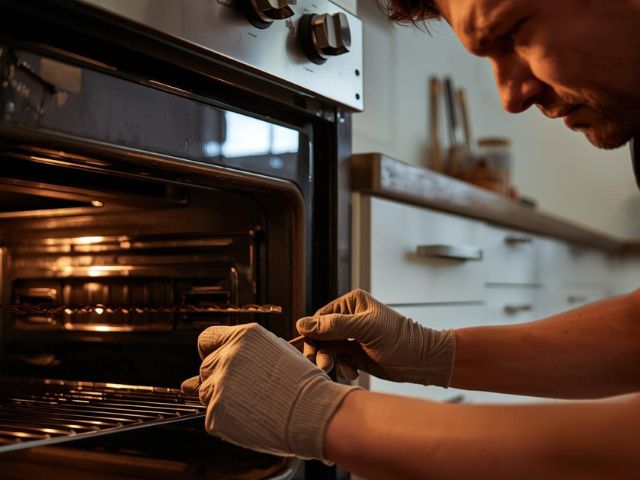
Modern kitchens rely heavily on high-performance ovens, and when these appliances malfunction, it can disrupt daily routines, meals, and special occasions. From uneven heating to faulty electronic controls, ovens can develop a range of issues over time. Knowing how professional technicians approach these problems is key to keeping your kitchen running smoothly. Viking Appliance Repairs specializes in expert oven repair, offering both precision and efficiency for all common and complex issues.
Diagnosing Heating Inconsistencies
One of the most frequent complaints homeowners report is uneven cooking. Your oven may have hot spots, undercooked areas, or fail to reach the desired temperature.
How professionals address this:
- Thermostat calibration: A misaligned thermostat can prevent accurate temperature control. Technicians use specialized tools to recalibrate or replace it.
- Heating element inspection: Burnt-out or weakened heating elements are common culprits. Experts identify and replace defective elements to restore consistent heat.
- Sensor and control evaluation: Modern ovens rely on sensors to maintain temperature. Malfunctioning sensors can misread heat, triggering uneven cooking cycles.
Correctly diagnosing the source prevents repeated issues and ensures your oven cooks food evenly every time.
Resolving Faulty Ignition and Gas Flow
For gas ovens, ignition problems are another common concern. Users may notice the oven fails to light or the flame is inconsistent.
Professional repair solutions include:
- Igniter replacement: A worn-out igniter is the most frequent reason a gas oven won’t start. Replacement restores reliable ignition.
- Gas valve inspection: Technicians verify that the gas valve operates safely and efficiently. Any obstructions or leaks are immediately addressed.
- Safety checks: Proper inspection ensures no hazardous gas leaks exist, safeguarding your home and family.
Gas oven repairs require careful handling; attempting DIY fixes can be dangerous. Certified technicians ensure repairs are both safe and long-lasting.
Addressing Electronic Control Malfunctions
Modern ovens often feature advanced electronic controls, including touchpads, timers, and digital displays. While these features enhance convenience, they can also develop malfunctions.
Key repair steps include:
- Control board diagnostics: Experts use diagnostic tools to identify faulty boards or loose connections.
- Display and touchpad repairs: Malfunctioning displays can confuse settings and cause errors. Technicians replace or repair defective panels.
- Software resets and calibration: Some ovens require electronic resets or firmware updates to restore normal functionality.
By resolving control issues, your oven maintains precise operation, ensuring meals cook as intended without frustration or guesswork.
Fixing Door Seal and Latch Issues
A damaged oven door seal or latch can compromise efficiency, heat retention, and safety. Leaky doors often lead to uneven cooking and higher energy costs.
Professional approaches include:
- Seal replacement: Worn or cracked gaskets are replaced with exact OEM parts to maintain heat containment.
- Latch realignment or repair: Properly aligned latches ensure the door closes securely and prevents heat loss.
- Safety testing: Technicians verify that doors close fully and safely, avoiding accidental burns or energy waste.
A well-sealed oven door is vital not only for cooking performance but also for household safety.
Tackling Temperature Sensor Failures
Temperature sensors regulate the oven’s heat levels. A defective sensor can cause the oven to overheat or fail to reach set temperatures, resulting in uneven cooking.
Repair solutions include:
- Sensor testing: Using a multimeter, technicians measure the sensor’s resistance to detect inconsistencies.
- Replacement with OEM parts: Defective sensors are swapped with original manufacturer parts for reliability.
- Calibration checks: Post-replacement testing ensures the oven maintains accurate temperatures across all settings.
Proper sensor function is essential for precise baking and roasting, especially for recipes requiring exact heat levels.
Ensuring Safety and Efficiency in Repairs
Professional oven repair goes beyond simply fixing the visible problem. Safety and efficiency are critical.
- Certified technicians: All repairs are performed by trained professionals familiar with both gas and electric oven models.
- Compliance with safety standards: Every repair adheres to local safety codes and manufacturer specifications.
- Long-term reliability: By using genuine parts and precise techniques, repairs extend the lifespan of your appliance.
With professional intervention, you avoid recurring issues, wasted energy, and potential safety hazards.
Preventive Maintenance Tips
While repairs are sometimes unavoidable, preventive care helps reduce the frequency of common oven problems. Experts recommend:
- Regular cleaning: Food residues can damage heating elements and sensors. Clean spills promptly.
- Avoiding harsh abrasives: Scratches or abrasive cleaners can harm coatings and seals.
- Monitoring performance: Keep an eye on cooking times and temperature accuracy; small changes can signal larger problems.
- Scheduled inspections: Annual professional check-ups catch minor issues before they escalate.
Routine maintenance keeps your oven in top condition, saving both time and money.
Leveraging Professional Expertise
Choosing professional oven repair ensures every issue is addressed efficiently and accurately. DIY attempts can sometimes worsen the problem or create safety hazards. With a skilled team:
- Repairs are completed quickly, minimizing downtime in your kitchen.
- Diagnosis is precise, targeting the root cause rather than symptoms.
- Recommendations are tailored to your oven model, including when to replace parts versus repair.
For those looking to protect their investment, relying on professional service is the most cost-effective strategy.
Learning More About Appliance Care
Oven repair is just one aspect of maintaining a fully functional kitchen. For additional guidance on appliance care, check out our previous blog, “Troubleshooting Your Appliance: Post-Holiday Cooktop Care”, which offers practical tips for keeping cooktops and other appliances in top shape.
Frequently Asked Questions
- How can I tell if my oven needs professional repair?
Signs include uneven heating, failure to reach set temperatures, ignition issues, unusual noises, or electronic control malfunctions. - Are Viking ovens covered by warranty for repair services?
Yes, most repairs can utilize manufacturer parts that maintain warranty coverage. Professional technicians ensure repairs are compliant with warranty requirements. - Can electronic control boards be fixed, or do they need full replacement?
It depends on the issue. Certified technicians can sometimes repair minor faults, but severe malfunctions typically require replacement with OEM parts. - How often should I schedule preventive maintenance?
A yearly professional inspection is recommended to catch early signs of wear and tear before they escalate. - Is it safe to attempt DIY gas oven repairs?
No. Gas oven repairs involve safety risks, including fire and gas leaks. Always consult certified professionals for any gas-related issues.
Conclusion: Reliable Oven Performance Starts with Expert Care
Oven issues are not just inconvenient—they can impact safety, cooking results, and energy efficiency. By relying on expert technicians like those at Viking Appliance Repairs, homeowners ensure that common oven problems are diagnosed accurately, repaired efficiently, and prevented in the future. From heating inconsistencies and faulty ignition to advanced electronic issues, professional repair services protect your appliance investment and restore peace of mind.
Investing in professional oven care is more than a repair—it’s a commitment to safety, performance, and long-term reliability in your kitchen. Don’t let oven malfunctions interrupt your routine. Schedule a consultation with Viking Appliance Repairs and enjoy consistent, worry-free cooking every day.