


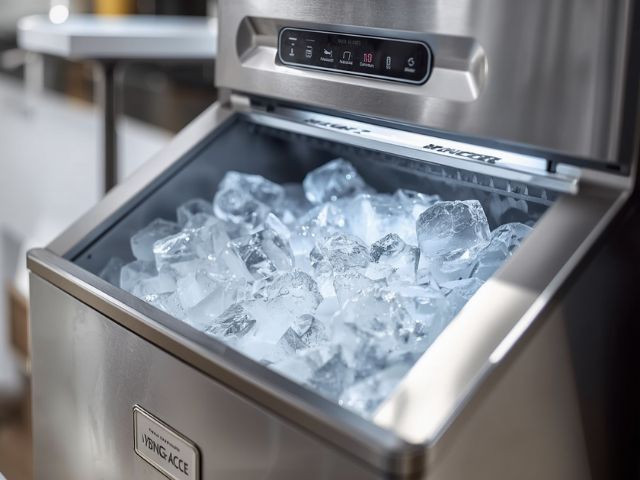
Los Angeles is known for its sunny skies, coastal breezes, and long stretches of warm weather. While the climate is ideal for outdoor living, it can be surprisingly demanding on home appliances—especially ice makers. For households that rely on premium kitchen equipment, ensuring consistent ice production during hot months becomes more than a convenience; it becomes a necessity.
Viking ice makers are engineered for performance, precision, and luxury, but even the most advanced appliances need proper care to withstand prolonged heat exposure. Understanding how warm weather affects ice production and internal components can help homeowners prevent breakdowns, preserve efficiency, and extend the lifespan of their appliance.
Why Warm Temperatures Put Extra Strain on Ice Makers
Ice makers function by freezing water rapidly and maintaining a stable, low internal temperature. When surrounding air temperatures rise, the appliance must work harder to maintain these conditions. This leads to longer compressor cycles, increased energy usage, and higher chances of wear on critical parts.
In Los Angeles homes, kitchens often experience additional heat from cooking, sunlight through large windows, and limited airflow in built-in cabinetry. These environmental factors can cause ice makers to struggle with temperature regulation, resulting in slower ice production or inconsistent ice quality.
Warm weather also affects water temperature entering the machine. Since warmer water takes longer to freeze, the appliance must run longer cycles, which can accelerate component fatigue and increase utility costs.
Keeping Proper Ventilation Around Your Viking Ice Maker
Adequate airflow is one of the most important yet overlooked aspects of ice maker care. Built-in units, a common feature in modern LA kitchens, are often installed with tight cabinetry that restricts ventilation. When heat accumulates around the appliance, internal components like the condenser coil cannot release heat efficiently.
Homeowners should ensure there is sufficient clearance around the unit according to manufacturer recommendations. Periodically checking vents for dust buildup or obstructions also helps maintain optimal airflow. Even small steps—such as avoiding the placement of heat-generating appliances nearby—can significantly improve performance during hot months.
If your ice maker is installed outdoors or in a patio kitchen, consider installing a shade structure or protective enclosure to prevent direct sunlight from heating the unit.
Cleaning Condenser Coils to Maintain Cooling Efficiency
Condenser coils are responsible for releasing heat extracted from the ice-making chamber. Over time, dust, grease, and airborne debris accumulate on the coils, especially in active kitchens. When these coils become dirty, they cannot dissipate heat effectively, forcing the ice maker to run longer cycles and potentially overheat.
Regular coil cleaning is particularly important in warm climates where the appliance is already under increased thermal stress. Gently vacuuming the coils or using a soft brush every few months helps keep heat exchange efficient and prevents excessive compressor strain.
This simple maintenance step often goes unnoticed but plays a major role in preserving energy efficiency and preventing costly repairs.
Monitoring Ice Quality and Production Speed
One of the first signs that warm weather is affecting your ice maker is a noticeable change in ice quality or production speed. Ice cubes may appear smaller, cloudy, or take longer to form. In some cases, the machine may stop producing ice altogether until it has time to recover.
Rather than assuming the appliance is malfunctioning, it’s helpful to evaluate environmental factors first. High ambient temperatures, restricted airflow, and warm incoming water can all influence performance. Keeping track of these patterns allows homeowners to identify seasonal changes versus mechanical issues.
If irregularities persist even after improving ventilation and cleaning components, a professional inspection may be necessary to rule out refrigerant or compressor problems.
The Role of Water Filtration in Hot Weather Performance
Water quality has a direct impact on both ice clarity and machine efficiency. In warm climates, mineral buildup occurs more rapidly due to higher water temperatures and increased evaporation rates inside the machine. Over time, this can clog water lines and reduce freezing efficiency.
Replacing water filters on schedule helps maintain proper flow and prevents scale buildup on internal components. Clean water also produces clearer, better-tasting ice, which is especially important during the summer when ice is used more frequently for beverages and entertaining.
For homes with hard water, installing a dedicated water softening or filtration system can significantly reduce mineral accumulation and extend the lifespan of the ice maker.
Preventing Overuse During High-Demand Summer Months
Warm weather often means more guests, outdoor gatherings, and frequent drink preparation. This increased demand leads many households to run their ice makers continuously. While Viking units are designed for heavy use, constant operation without rest periods can accelerate wear on internal parts.
Allowing the appliance occasional downtime, keeping the ice bin from overfilling, and avoiding unnecessary door openings can help maintain consistent performance. Overfilled bins can trap heat and prevent proper air circulation, making it harder for newly formed ice to freeze completely.
Practicing balanced usage not only protects the appliance but also helps maintain a steady supply of fresh, solid ice throughout the day.
The Importance of Routine Professional Maintenance
Even with careful at-home maintenance, professional servicing remains essential for long-term reliability. Technicians can inspect refrigerant levels, evaluate compressor performance, and detect early signs of electrical or mechanical wear that may not be visible to homeowners.
Scheduling seasonal maintenance before the hottest months arrive helps ensure the ice maker is fully prepared for increased workload. This proactive approach often prevents mid-summer breakdowns, which can be inconvenient and more expensive to repair due to emergency service demand.
For homeowners seeking trusted expertise, Viking Appliance Repairs provides specialized service tailored to high-end Viking appliances, ensuring precise diagnostics and long-lasting solutions.
Positioning Your Ice Maker Strategically Within the Kitchen
Appliance placement has a significant impact on performance in warm environments. Ice makers installed near ovens, dishwashers, or areas exposed to direct sunlight are more likely to experience overheating and inefficient operation.
Whenever possible, positioning the unit in a cooler, shaded section of the kitchen helps maintain stable internal temperatures. For built-in units that cannot be relocated, adding reflective insulation or improving ventilation in surrounding cabinetry can help reduce heat buildup.
Design-conscious homeowners often overlook these practical considerations, but thoughtful placement plays a crucial role in appliance longevity.
Smart Cleaning Practices That Preserve Internal Components
Routine cleaning of the ice bin, water reservoir, and interior surfaces helps prevent bacterial growth and mineral scaling. During warm months, higher humidity levels can promote mold or mildew if moisture remains trapped inside the unit.
Using manufacturer-approved cleaning solutions ensures surfaces remain sanitized without damaging internal coatings or seals. After cleaning, allowing the unit to dry thoroughly before restarting helps prevent residual moisture from freezing into unwanted ice clumps.
These simple habits maintain both hygiene and operational efficiency, ensuring the ice produced is safe, clear, and odor-free.
Understanding Early Warning Signs of Heat-Related Issues
Recognizing early warning signs allows homeowners to address minor problems before they escalate into major repairs. Common indicators of heat-related stress include:
- Unusual humming or prolonged compressor noise
- Frequent cycling without producing sufficient ice
- Water pooling inside or beneath the unit
- Ice cubes forming in irregular shapes or sticking together
Addressing these symptoms promptly can prevent damage to key components such as the compressor, thermostat, or control board. In many cases, simple fixes like cleaning vents or adjusting placement can resolve the issue before professional intervention becomes necessary.
Exploring More Appliance Insights for Modern Kitchens
Homeowners who invest in high-end appliances often benefit from learning broader maintenance strategies that apply across their kitchen. If you’re interested in optimizing the performance of multiple premium appliances, you may also enjoy reading Viking Appliance Repairs for Modern Home Setups, which explores how advanced kitchen designs influence maintenance needs and repair timelines.
Understanding how different appliances interact within a shared environment can help prevent unexpected performance issues and maintain a cohesive, efficient kitchen space.
Seasonal Checklists to Keep Your Ice Maker Running Smoothly
Creating a seasonal care routine makes it easier to stay consistent with maintenance tasks. A simple checklist for warm-weather preparation may include:
- Cleaning condenser coils and air vents
- Replacing water filters
- Inspecting water supply lines for leaks or mineral buildup
- Testing ice production speed and consistency
- Checking that the unit remains level and stable
By following a structured routine, homeowners can detect changes early and avoid emergency repairs during peak summer months when service appointments may be harder to schedule.
Protecting Your Investment in a High-End Appliance
Viking ice makers are a significant investment, designed to complement luxury kitchens with both performance and aesthetic appeal. Like any premium appliance, their longevity depends on consistent care and proper usage. Neglecting maintenance in a warm climate can lead to reduced efficiency, higher energy costs, and premature component failure.
Taking preventative measures—such as improving airflow, maintaining water quality, and scheduling professional inspections—helps ensure that the appliance continues to deliver reliable performance year after year. These steps also preserve resale value and protect the overall functionality of your kitchen setup.
Keeping Cool and Prepared All Summer Long
A dependable ice maker becomes especially valuable during Los Angeles summers, when hydration, entertaining, and daily comfort often depend on a steady supply of ice. By understanding how heat affects your appliance and adopting proactive maintenance habits, you can keep your Viking ice maker operating at peak performance even during extended heatwaves.
Consistent care, attention to environmental factors, and occasional professional servicing work together to minimize breakdowns and maximize efficiency. With the right approach, your ice maker will remain a reliable part of your kitchen, ready to meet the demands of warm weather without interruption.