


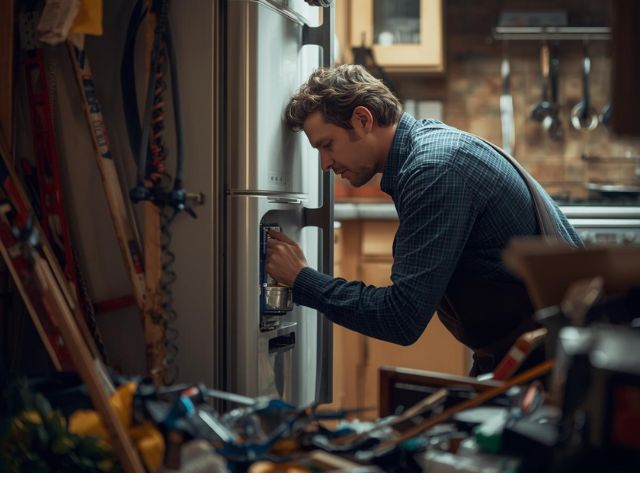
A malfunctioning water dispenser in your Viking refrigerator can disrupt your daily routine, especially when you rely on it for cold water and ice. Whether it’s a complete lack of water flow or just a weak trickle, addressing the issue quickly can save time, prevent further damage, and keep your fridge running efficiently. With guidance from Viking Appliance Repairs, you can troubleshoot common problems and apply practical fixes safely.
Understanding Why Your Viking Refrigerator Water Stops Working
Before attempting any repair, it’s essential to identify the cause of the issue. Viking refrigerators are built with precision, but even high-end appliances can face water flow problems. Some of the most common causes include:
- Frozen water lines – Low freezer temperatures can freeze the internal water tube, cutting off flow.
- Clogged or faulty filter – Sediment buildup or expired filters can reduce water pressure or stop the dispenser entirely.
- Water inlet valve issues – A defective valve may fail to open, preventing water from entering the dispenser.
- Electrical problems – A broken switch, wiring issue, or control board malfunction can disrupt water flow.
- Pressure or plumbing issues – Low household water pressure or kinks in the supply line can hinder performance.
Understanding these causes is the first step toward a reliable fix.
Quick Fix: Check the Water Filter
The water filter is one of the most common culprits. Viking refrigerators use advanced filtration systems to provide clean, great-tasting water, but filters have a lifespan: typically six months.
- Step 1: Locate the filter—usually in the upper right corner or inside the fridge compartment.
- Step 2: Remove and inspect it. If it looks dirty, clogged, or past its replacement date, replace it with a genuine Viking filter.
- Step 3: Reset the filter indicator (if applicable) and run the dispenser to test water flow.
A simple filter change often restores your water dispenser to full function.
Thaw Frozen Water Lines
If your refrigerator’s water line freezes, the dispenser may stop working completely. This usually happens in extremely cold settings or if the fridge door is left open.
- Step 1: Unplug the refrigerator for safety.
- Step 2: Locate the water line in the freezer or behind the fridge.
- Step 3: Use a hairdryer on low heat to gently thaw frozen sections. Avoid using excessive heat, which can damage the tubing.
- Step 4: Plug in the fridge and test the dispenser.
Maintaining a proper freezer temperature (usually 0°F / -18°C) can prevent future freezes.
Inspect the Water Inlet Valve
The water inlet valve is a critical component that allows water to flow from your home supply into the fridge. If defective, it will prevent any water from reaching the dispenser.
- Step 1: Turn off the water supply and unplug the refrigerator.
- Step 2: Locate the inlet valve, usually at the back of the fridge near the bottom.
- Step 3: Check for leaks, clogs, or signs of wear.
- Step 4: Replace the valve if necessary with a Viking-approved part.
Proper installation ensures consistent water flow and avoids damage to your fridge’s internal components.
Test Electrical Components
Sometimes, the water dispenser may not work due to an electrical issue rather than a mechanical one.
- Check the dispenser switch: Press it and listen for a click. No sound may indicate a broken switch.
- Inspect wiring connections: Loose or corroded connections can prevent the dispenser from activating.
- Control board inspection: In rare cases, the main control board may fail, which typically requires professional repair.
Always unplug the fridge before handling electrical components to prevent injury.
Address Household Water Pressure Issues
Low water pressure in your home can directly affect your refrigerator’s dispenser.
- Check your home’s main water supply: Make sure the valve is fully open.
- Inspect the supply line for kinks or bends: A bent or pinched line restricts flow.
- Consider a water pressure test: Pressure below 20 PSI may require a booster or plumber’s intervention.
Ensuring proper water pressure helps maintain consistent dispenser performance.
When to Call the Experts
While many issues are fixable at home, certain situations demand professional intervention. Contact Viking Appliance Repairs if:
- Water continues to not flow after basic troubleshooting.
- There are repeated filter clogs or frozen lines.
- Electrical components or the control board may be damaged.
- You prefer not to handle plumbing or electrical parts yourself.
Professionals bring the right tools, replacement parts, and expertise to ensure a safe and lasting repair.
Preventative Maintenance Tips
Keeping your Viking refrigerator water system in top condition requires regular attention:
- Replace filters on schedule – Every 6 months or as recommended by the manufacturer.
- Monitor freezer temperature – Prevent frozen lines by maintaining optimal settings.
- Clean water reservoir and dispenser – Remove any buildup to maintain taste and flow.
- Inspect supply lines annually – Catch kinks or leaks early.
Proactive maintenance can extend the lifespan of your fridge and avoid emergency repairs.
Bonus Resource: Expand Your Appliance Knowledge
While troubleshooting your refrigerator, you might also find other appliance solutions helpful. For example, check out our guide on DIY Fix for a Range That Is Sparking: Step-by-Step for hands-on advice on safely resolving common kitchen appliance issues.
Frequently Asked Questions
- How do I know if my water filter is causing the problem?
If the dispenser stops working suddenly or the water flow is weak, a clogged or expired filter is often the first thing to check. - Can I thaw a frozen water line myself?
Yes, using gentle heat like a hairdryer. Avoid extreme heat to prevent damaging the tubing. - How long does it take for a new water filter to restore full flow?
Once installed, flow should return immediately. If not, inspect the water line and inlet valve. - Are replacement parts specific to Viking refrigerators?
Yes, always use Viking-approved parts to ensure compatibility and maintain warranty coverage. - Can low household water pressure affect the fridge?
Absolutely. The dispenser needs adequate pressure, typically above 20 PSI, for proper operation.
Conclusion: Keep Your Viking Refrigerator Water Flowing
A non-functioning water dispenser doesn’t have to disrupt your daily life. By following these expert tips and performing basic troubleshooting, you can often restore your Viking refrigerator to full performance. Whether it’s replacing a filter, thawing a frozen line, checking the inlet valve, or consulting a professional, taking the right steps ensures reliable, clean water at all times.
For complex issues or professional assistance, trust Viking Appliance Repairs to provide fast, reliable, and precise service. With proper care and maintenance, your Viking refrigerator will continue delivering crisp, refreshing water for years to come.