


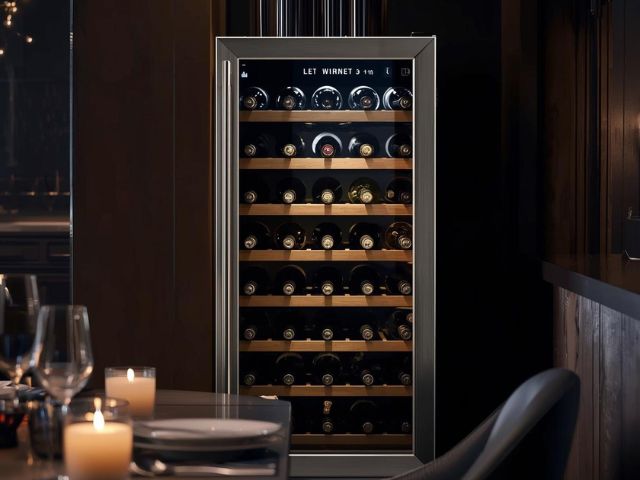
As homeowners invest in premium appliances to elevate their living spaces, wine coolers have become increasingly popular additions to modern kitchens and entertainment areas. Whether you’ve just purchased your first unit or inherited one with your new property, understanding how to use a wine cooler properly ensures your wine collection maintains its quality and flavor profile for years to come. At Viking Appliance Repairs, we’ve serviced countless wine storage units across properties, and we’re here to share professional insights that will help you maximize your investment and enjoy perfectly chilled wine every time.
Understanding Your Wine Cooler’s Basic Functions
Before diving into operation, familiarize yourself with your unit’s key components. Most wine coolers feature digital temperature controls, interior lighting, adjustable shelving, and humidity management systems. Single-zone models maintain one consistent temperature throughout, ideal for homeowners who prefer either red or white wines exclusively. Dual-zone units offer separate temperature compartments, perfect for property owners who enjoy variety in their collections. Take time to read your manufacturer’s manual, as specific features vary between brands and models.
Initial Setup and Placement Considerations
Proper placement significantly impacts your wine cooler’s performance. Position your unit away from direct sunlight, heat sources, and areas with temperature fluctuations. Ensure adequate ventilation around the appliance—most freestanding models require several inches of clearance on all sides, while built-in units need proper front ventilation. Allow your wine cooler to stand upright for at least 24 hours before plugging it in, especially if it was transported horizontally. This settling period lets the refrigerant stabilize, preventing potential compressor damage.
Setting the Perfect Temperature
Temperature control represents the most critical aspect of wine storage. Red wines typically thrive between 55-65°F, while white wines prefer cooler conditions around 45-55°F. Sparkling wines and champagnes require even lower temperatures, approximately 40-50°F. For dual-zone models, set your upper compartment warmer for reds and the lower section cooler for whites. Avoid frequent temperature adjustments, as consistency matters more than perfection. Your wine cooler needs 24-48 hours to reach and stabilize at your selected temperature after initial setup or any adjustments.
Loading Bottles Correctly
Strategic bottle placement maximizes capacity while protecting your collection. Store bottles horizontally to keep corks moist and prevent oxidation—dried corks allow air infiltration that spoils wine. Arrange heavier bottles on lower shelves to maintain stability and balance. Leave space between bottles for air circulation, which helps maintain consistent cooling throughout the unit. Avoid overcrowding, as this restricts airflow and forces your compressor to work harder, increasing energy consumption and wear. Label bottles facing forward for easy identification without disturbing your collection.
Managing Humidity Levels
Wine requires humidity levels between 50-70% to preserve cork integrity. Most quality wine coolers include built-in humidity management, but property owners in particularly dry climates may need additional measures. Some units feature humidity trays or reservoirs that require periodic refilling with distilled water. Monitor humidity with a small hygrometer placed inside your cooler. Excessive humidity promotes mold growth, while insufficient moisture dries corks and compromises wine quality.
Utilizing Interior Lighting Wisely
Interior LED lighting helps you browse your collection without opening the door unnecessarily, but excessive light exposure damages wine. UV rays break down tannins and alter flavor profiles over time. Use your cooler’s lighting sparingly—only when selecting bottles. Quality wine coolers incorporate UV-resistant glass doors and LED lights that emit minimal harmful rays, but limiting light exposure remains best practice for serious collectors.
Regular Maintenance Procedures
Consistent maintenance extends your wine cooler’s lifespan and ensures optimal performance. Clean the interior quarterly using mild soap and warm water—never harsh chemicals that leave residual odors affecting wine taste. Wipe down door seals to prevent mold and maintain proper insulation. Vacuum condenser coils every six months to remove dust buildup that reduces cooling efficiency. Check and clean the drip tray monthly, as standing water breeds bacteria and creates unpleasant odors. Property owners should also inspect door alignment annually, as sagging doors compromise temperature stability.
Troubleshooting Common Issues
If your wine cooler isn’t maintaining temperature, first verify the thermostat settings and ensure nothing blocks ventilation. Excessive frost buildup indicates humidity problems or door seal failures. Unusual noises might signal compressor issues requiring professional attention. Never ignore warning signs—small problems escalate quickly in refrigeration appliances. Condensation on exterior surfaces usually indicates high ambient humidity rather than appliance malfunction, but persistent moisture warrants investigation.
Energy Efficiency Tips
Minimize door openings to reduce temperature fluctuations and energy consumption. Position your wine cooler in climate-controlled areas rather than garages or basements with extreme temperatures. Keep the unit fully stocked, as thermal mass helps maintain consistent temperatures with less energy. However, avoid overfilling, which restricts airflow and forces harder compressor operation. Clean condenser coils regularly for optimal efficiency. Consider upgrading older models to energy-efficient units that reduce operating costs while providing superior wine preservation.
Seasonal Adjustments
Ambient temperature changes throughout the year may require slight wine cooler adjustments. During summer months, your unit works harder to maintain set temperatures, potentially requiring recalibration. Winter conditions might allow slightly reduced cooling efforts. However, modern wine coolers typically compensate automatically for seasonal variations. Property owners in regions with dramatic seasonal temperature swings should monitor their units more closely and consult professionals if performance seems compromised.
Final Thoughts
Mastering how to use a wine cooler transforms your wine storage from simple refrigeration to proper preservation that honors your collection’s quality and value. By implementing these professional guidelines—from precise temperature settings and strategic bottle placement to diligent maintenance and humidity management—homeowners can create optimal conditions that allow wines to age gracefully and remain ready for any occasion. Remember that consistency trumps perfection in wine storage; maintaining stable conditions yields better results than constantly chasing ideal numbers. Your wine cooler represents a significant investment in both your property and your enjoyment, and proper operation ensures you’ll savor perfectly preserved wines for years to come.
Keep Your Wine Cooler Running Flawlessly
When your wine cooler needs professional service or repair, trust the experts at Viking Appliance Repairs. Our certified technicians understand the intricate systems that protect your valuable wine collection and deliver prompt, reliable solutions that restore optimal performance. Don’t let appliance issues compromise your investment—contact us today for expert service you can depend on.
Frequently Asked Questions
How long does wine last in a wine cooler? Properly stored wine in a correctly functioning wine cooler can last decades, with some premium wines improving over 20-30 years. Optimal temperature, humidity, and minimal vibration create conditions that allow wines to age gracefully rather than deteriorate.
Can I store regular beverages in my wine cooler? While technically possible, wine coolers are specifically calibrated for wine storage temperatures that may be too warm for optimal beer or soda chilling. Mixing beverages also increases door openings and temperature fluctuations that compromise wine quality.
Why is my wine cooler making noise? Normal operational sounds include gentle humming from the compressor and occasional clicking from the thermostat cycling. Loud rattling, grinding, or constant running indicates potential mechanical issues requiring professional diagnosis and repair.
Interested in learning more about maintaining your premium appliances? Check out our previous blog: What Drives Up Viking Appliance Repair Costs in Austin Homes for valuable insights on protecting your investment and managing repair expenses effectively.